Navigate structural complexities, building codes, and load path management to ensure durable, compliant roof assemblies.
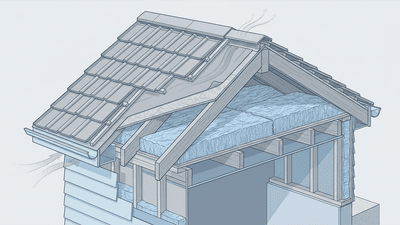
This 6.5-hour course analyzes roof design and construction for residential and small commercial structures, from framing to coverings. The course will focus on roof framing, truss options and installation, thermal performance, ventilation, moisture control, and cover options that comply with the related provisions of the IBC, IRC, and ASCE 7-22.
The material covers the essential phases of a roofing project, from initial structural considerations and design to material selection and construction techniques. It delves into the unique structural demands of both pitched and flat roofs, evaluating a variety of modern materials including asphalt, metal, and membrane systems.
Key topics include weatherproofing, ventilation, moisture management, load distribution, and compliance with current building codes.
By examining the intersection of engineering principles and practical construction methods, this overview provides a thorough understanding of how to engineer, design, and build robust, energy-efficient, and long-lasting roofs that protect structures against diverse environmental challenges.

Online Courses for Engineers
HalfMoon Education is a nonprofit continuing education provider offering live webinars and on-demand courses for engineers, architects, landscape architects, land surveyors, attorneys, paralegals, accountants and others. Since 1996, we’ve helped thousands of professionals nationwide stay current with industry standards and codes, earn CE hours, and advance their expertise through practical, expert-led learning experiences. Learn more about us at: www.halfmoonseminars.org
Owner of Woods Residential Engineering & Inspection
After working in engineering and design management with award‐winning structural and construction firms for nearly 10 years, Mr. Woods founded his own firm, Woods Residential Engineering & Inspection. Mr. Woods is a licensed professional engineer in multiple states, holds a bachelor’s and master’s degree in Civil Engineering (with a focus on structures) from Washington University in St. Louis, and he has earned “Accredited Professional” status from the U.S. Green Building Council. Mr. Woods is a member of: The Woods Educational Enrichment Foundation, the National Society of Black Engineers (NSBE) (Director of Programs for the Chicago professional chapter), the American Society of Civil Engineers, and the Structural Engineers Association of Illinois
