Master the integrated design and installation of modern heating systems to maximize efficiency, cost-effectiveness, and sustainability for any residential project.
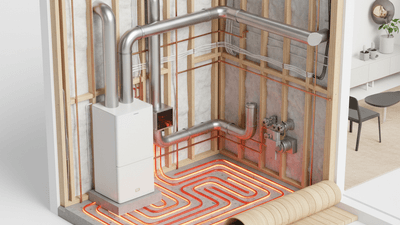
This six-hour course focuses on the design and installation of various types of residential heating: natural gas and liquid propane space heating, electric resistance heaters, heat pumps, in-floor heating, hydronic heating and steam radiators, and pellet stoves.
Led by experienced industry practitioners, the content begins with an examination of natural gas and liquid propane systems, detailing the mechanics of furnaces, wall heaters, and fireplaces while addressing vital safety concerns such as carbon monoxide venting. The course moves beyond equipment basics to cover the essential HVAC design process, emphasizing the importance of Manual J load calculations and duct sizing. A core theme throughout the presentation is the "Integrative Design Process," which advocates for collaboration between architects and engineers to optimize the building envelope and reduce equipment size.
Participants will also explore the shift toward electrification, analyzing electric resistance heating and the mechanics of air-source and water-source heat pumps. The curriculum further expands into hydronic systems, in-floor radiant heating, and alternative biomass solutions like pellet stoves, providing a holistic view of the current market.
Key learning outcomes include:
This course is designed for engineers, contractors, and design professionals seeking to enhance their technical expertise in residential heating solutions.

Online Courses for Engineers
HalfMoon Education is a nonprofit continuing education provider offering live webinars and on-demand courses for engineers, architects, landscape architects, land surveyors, attorneys, paralegals, accountants and others. Since 1996, we’ve helped thousands of professionals nationwide stay current with industry standards and codes, earn CE hours, and advance their expertise through practical, expert-led learning experiences. Learn more about us at: www.halfmoonseminars.org

Director - Optimization Services, EA Energy Solutions
Mr. Hazelwood is an energy engineering professional with over 15 years of experience. He is a Certified Energy Manager (CEM) and a LEED Accredited Professional (LEED AP). Mr. Hazelwood has developed a deep understanding of energy and sustainability best practices and has extensive experience in energy auditing, energy-efficient design and implementation, sustainability planning, and renewable energy project development. In addition to his professional experience, Mr. Hazelwood holds a bachelor’s in Environmental Studies from Harvard University. He is also a member of professional organizations, including the Association of Energy Engineers, the US Green Building Council (USGBC), and the Green Building Institute (GBI), and served as an instructor at Endicott College teaching green building to architectural graduate students for three consecutive years. Mr. Hazelwood is passionate about energy efficiency and sustainability in the built environment.

Principal at EA Energy Solutions, LLC
Mr. El-Sayed is a principal at EA Energy Solutions, LLC. In this capacity, he is responsible for fulfilling the client delivery obligations associated with the energy solutions services portfolio. These services support EA Energy’s clients and national account customers by ensuring optimal energy efficiency in new construction projects, renovations, and existing buildings alike. Since 2009, Mr. El-Sayed has provided leadership in the field of Energy Efficiency for multiple organizations and has served clients in the retail, healthcare, education, warehousing and transportation, and civic market segments. In these roles, he managed projects that resulted in Ohio and Indiana’s first LEED Platinum commercial buildings and Ohio’s first LEED Platinum school. In addition to his operational experience, Mr. El-Sayed is active in the U1SGBC’s Central Ohio Chapter as well as several other professional a2ffiliations. He earned a Master’s degree in Environmental Health and Safety from the University of Cincinnati and an undergraduate degree in Mechanical Engineering from Zagazig University.
